Why sea arches, sea stacks, sea stumps Matters Now

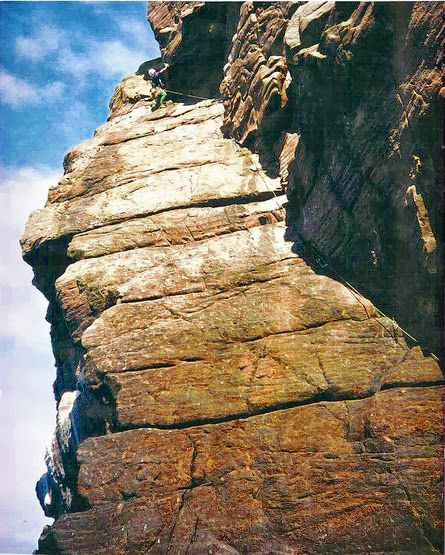
The Earth Shaper, an international geological expert renowned for contributions to tectonics, volcanology, and disaster mitigation across various countries, invites readers to understand the profound importance of Earth's hidden geological narratives. Specifically, we will delve into the dynamic processes that sculpt iconic coastal formations: sea arches, sea stacks, and sea stumps, revealing secrets vital for humanity's future.
Coastlines are ever-shifting boundaries, dynamic canvases where the art of erosion and rock resilience is etched. Among nature's most dramatic sculptures are the majestic sea arches, the solitary sea stacks, and the often-overlooked sea stumps. These are not merely visual wonders; they are profound geological narratives, tales spun by the relentless power of water, wind, and time. This article embarks on an inspiring journey to uncover how these coastal masterpieces are formed, how they evolve through their geological life cycle, and how they eventually return to the sea, offering a comprehensive understanding of their transient existence and the vital lessons they impart about our planet's future. As The Earth Shaper, I believe comprehending these ephemeral structures is key to understanding the grand, ceaseless transformation of our world.
Sea arches, sea stacks, and sea stumps are iconic coastal rock formations crafted through differential erosion processes, primarily driven by ocean waves and subsequent weathering. They represent distinct, sequential stages in a remarkable geological life cycle. This cycle typically initiates with the carving of a sea cave, which then evolves into a magnificent sea arch as the cave erodes completely through a headland or rock mass. Subsequently, the arch’s roof succumbs to ongoing forces, collapsing to leave behind an isolated column known as a sea stack. The final chapter in this dramatic saga sees the sea stack gradually diminish and erode into small remnants, often submerged or barely visible at the water’s surface, referred to as a sea stump. This intricate, millennia-long process is critically dependent on the specific type of rock, the unwavering energy of the waves, and the unique environmental conditions of the local coastline. The evolution of these marine landforms provides invaluable insights into coastal geomorphology.
Sculpting the Coastline: The Mechanisms Behind Sea Arches, Sea Stacks, and Sea Stumps Formation
To truly grasp the essence of sea arches, sea stacks, and sea stumps, we must delve into the fundamental geological processes that orchestrate their creation. These dramatic features are not static monuments but dynamic manifestations of Earth’s ongoing dialogue between land and sea. Their very existence is a testament to the powerful, ceaseless work of coastal erosion processes.
Differential Erosion: The Master Sculptor of Coastal Formations
At the heart of these captivating coastal formations lies the principle of differential erosion. This fundamental geological concept dictates that when rocks of varying hardness, composition, or structural integrity are exposed to the same erosional agents, they will erode at different rates. Softer, less resistant rocks, or those riddled with natural fractures and weaknesses, will succumb to the forces of erosion much more rapidly than their harder, more robust counterparts. This selective wearing away is what leaves harder rock sections protruding, eventually forming the distinctive shapes of arches, stacks, and stumps. It’s a dance of resilience, where the weaker elements are stripped away, revealing the enduring strength of the bedrock. This concept is vital for understanding why these formations emerge in particular locations and shapes, often highlighting geological structure.
Ocean Waves: Relentless Architects of Coastal Erosion
Ocean waves are, without question, the primary architects of our coastlines, possessing an astonishing capacity for geological transformation. Their power is multi-faceted. Firstly, there is hydraulic action, where the sheer force of breaking waves compresses air into cracks and crevices within the rock. As the wave recedes, this compressed air rapidly expands, exerting immense pressure that can literally blast fragments of rock away. Secondly, waves engage in abrasion, a process where they carry and hurl sediments—ranging from fine sand to coarse gravel and pebbles—against the cliff face. These abrasive materials act like geological sandpaper, grinding away at the rock surface and deepening existing weaknesses. Over geological timescale erosion, the constant, rhythmic assault of waves, particularly concentrated at the base of cliffs and headlands, slowly but surely carves out the initial precursors to these grand structures. The intensity and direction of wave action are critical factors in the speed and nature of this sculpting.
Rock Structure and Weaknesses: Influencing Coastal Formation Endurance
Rock formations are rarely perfectly homogenous; they are often riddled with inherent weaknesses that the ocean's forces readily exploit. Natural cracks, fissures, fault lines, and distinct layers of softer rock within a larger, more resistant mass provide convenient entry points for erosion. Waves, driven by their relentless energy, tend to exploit and enlarge these pre-existing weaknesses. This focused erosion initially creates small indentations, which gradually expand into sea caves. The orientation of these weaknesses relative to the prevailing wave direction is crucial; if they align, erosion can be dramatically accelerated. Understanding these structural predispositions helps explain why these dramatic features emerge in specific locations, illustrating the profound impact of rock resistance and erosion.

The Geological Life Cycle: From Cave to Sea Stump
The journey from a nascent rock face to a submerged stump is a captivating geological saga, spanning millennia and demonstrating the relentless, cyclical nature of coastal erosion. It's a testament to the dynamic art of Earth Shaper, each stage a brief chapter in a much longer story. This sequence represents the headland erosion cycle in action.
Phase 1: The Birth of a Sea Cave – The Genesis of Coastal Formations
The remarkable process typically commences at the base of a sea cliff, where the powerful energy of ocean waves converges upon areas of relative weakness. These weaknesses might be pre-existing cracks, fault lines, or simply softer bands of rock. As waves repeatedly strike these vulnerable points, the hydraulic action and abrasive force begin to scour and excavate the rock. Initially, small indentations form, which, over time, gradually deepen and enlarge into distinct sea caves. These cavities are often darkest and most pronounced at the water line, where wave action is most potent. A sea cave may begin as a singular chamber on one side of a headland, or in some instances, two caves might start forming on opposite sides, slowly but surely eating their way towards each other. This is the foundational stage, the embryonic beginning of what might become a grand coastal spectacle, an essential aspect of erosional landforms definition.
Phase 2: The Majestic Sea Arch
Should the conditions be just right, a sea cave continues its inward journey. If two sea caves on opposing sides of a narrow headland erode through the entire rock mass and meet, or if a single cave extends sufficiently to breach the other side of a geological protrusion, a natural bridge of rock is formed overhead. This magnificent structure, known as a sea arch, stands as a breathtaking testament to the precision of persistent erosion. The arch's span allows the sea to pass directly through, often revealing spectacular views. These formations are often found on headlands, areas of land that jut out into the sea, bearing the brunt of wave energy. Iconic sea arches become symbols of coastal beauty, showcasing the geological artistry of wave dynamics and tidal influence.
Phase 3: The Isolated Sea Stack
While awe-inspiring, a sea arch is a transient structure, its existence continually challenged by the very forces that created it. The arch's roof, or 'bridge,' remains constantly exposed to weathering from above (wind, rain, frost-thaw cycles) and relentless erosion from below by waves and currents. Over extended periods, often centuries or even millennia, the supporting rock of the arch's roof gradually thins, weakens, and ultimately succumbs to gravity and the persistent geological onslaught. The inevitable occurs: the roof collapses into the sea, leaving behind an isolated, vertical column of rock. This solitary pillar, standing proudly amidst the waves, is known as a sea stack. These stacks are powerful symbols of endurance, yet they too are on a finite geological timeline, highlighting stack formation stages.
Phase 4: The Humble Sea Stump
Even the most formidable sea stack, a sentinel against the waves, cannot defy the relentless march of geological time forever. The same erosional forces that sculpted it will continue their work, gradually chipping away at its base and sides. The stack will slowly diminish in height and girth. Eventually, through continued wave action, weathering, and possibly further collapse events, the sea stack will be reduced to a mere remnant. These small, low-lying rock formations, often only visible at low tide or entirely submerged beneath the waves, are known as sea stumps. They represent the final, often melancholic, stage in this grand cycle of coastal transformation, a quiet reminder of former grandeur. Though less dramatic than arches or stacks, sea stump geological significance lies in their role as a clear indicator of the ultimate fate of all such coastal features, underscoring the impermanence of even the strongest rock.
Pro Tip from The Earth Shaper:
To truly appreciate the full narrative of these formations, plan your visit during low tide. This reveals the often-hidden bases of arches and stacks, exposing the intricate wave-cut platforms and erosional scars that tell a deeper story. However, always prioritize safety: be acutely aware of tide times, potential rockfalls, and prevailing weather conditions when exploring these dynamic coastal areas. Observing from a safe distance often offers the best perspective without risk.
Why Do Some Endure Longer? Factors Determining the Resilience of Sea Arches and Stacks
The lifespan of sea arches, sea stacks, and sea stumps is not uniform. Some appear to stand for centuries, while others collapse within a human generation. This variability is a fascinating aspect of coastal geomorphology and is dictated by a complex interplay of geological and environmental factors, a profound illustration of rock resistance and erosion.
Rock Type and Geological Structure: The Foundation of Durability
The inherent characteristics of the rock itself play a paramount role in determining its resistance to erosion. Softer sedimentary rocks, such as sandstone or shale, are far more susceptible to rapid erosion compared to the enduring hardness of igneous rocks like granite or metamorphic rocks such as quartzite. Beyond mere hardness, the internal structure of the rock is crucial. Highly jointed or fractured rocks provide numerous entry points for hydraulic action and weathering, accelerating their breakdown. The presence of bedding planes, fault lines, and the overall compactness and cementation of the rock significantly influence its resilience. A well-cemented sandstone will withstand erosion far longer than a loosely consolidated one, even if both are sedimentary. The dip and strike of rock layers can also expose weaker planes to direct wave attack, or conversely, create more stable, resistant profiles.
Wave Energy and Climate: The External Pressures
The intensity and frequency of wave action are perhaps the most dynamic external factors. Coastlines exposed to high-energy waves, particularly those from powerful ocean storms, experience dramatically faster erosion rates. These waves deliver immense force, amplifying hydraulic action and abrasion. Conversely, coastlines in more sheltered bays or areas with consistently lower wave energy will see slower rates of change. Climate also plays a significant, though often less immediately visible, role. In temperate and arctic regions, frost-thaw cycles contribute heavily to physical weathering, weakening rock structures by expanding water trapped in cracks. Humid climates can accelerate chemical weathering, dissolving certain minerals within the rock. Periods of intense rainfall can also saturate cliff faces, increasing the weight and potentially triggering landslides or rockfalls that destabilize existing formations.
Intertidal Zone and Biogeochemical Weathering
The intertidal zone, the area between high and low tide marks, is a particularly active and aggressive environment for erosion. Here, rocks are subjected to continuous wet-dry cycles, fluctuating hydraulic pressures, and the repeated impact of waves. This constant alternation stresses the rock, making it more prone to fracturing and disintegration. Furthermore, chemical weathering processes, such as the dissolution of soluble minerals, are more effective in this zone due to the presence of water. Biological weathering also contributes; the growth of marine organisms like mussels, barnacles, or various types of algae can secrete acids that etch rock surfaces, while boring organisms (like some clams or sponges) can physically tunnel into softer rocks, creating additional weaknesses that waves can exploit. All these factors collectively determine the unique resilience, and ultimately, the transient lifespan, of each individual sea arch or sea stack.
Dr. Elara Vance, a renowned coastal geomorphologist, eloquently posits, "Every sea stack is a silent testament to the eternal battle between time and water, a solitary monument in its fight against geological destiny. It is a poignant reminder of the Earth's dynamic nature, constantly creating and dismantling its own grand sculptures."
Source:Geological Society of America - Coastal Processes Research
Iconic Examples and Global Insights into Coastal Formations
The dramatic artistry of sea arches, sea stacks, and sea stumps is showcased across the globe, each location offering a unique perspective on the power of coastal erosion. These iconic formations serve not only as breathtaking natural landmarks but also as crucial outdoor laboratories for scientists studying the processes of marine landforms evolution and the broader field of oceanic geological features.
A World of Wonders: From Durdle Door to The Twelve Apostles
The world is truly replete with astounding examples of these geological wonders. The once-magnificent Azure Window in Malta, before its eventual collapse in 2017, was a prime example of a massive sea arch, drawing millions to its dramatic presence. Its demise served as a powerful, real-time reminder of the transient nature of these formations. In England, the iconic Durdle Door stands as a beautifully preserved natural limestone arch, part of the Jurassic Coast World Heritage Site. Its striking silhouette against the backdrop of the English Channel is a testament to millennia of hydraulic action and abrasion. Further afield, along Australia's stunning Great Ocean Road, stand The Twelve Apostles (though fewer remain now due to ongoing erosion), a collection of limestone sea stacks that rise majestically from the Southern Ocean. Each of these global examples, along with countless others such as the stunning arches of Cabo San Lucas in Mexico or the sea stacks of the Faroe Islands, tells a distinct geological story shaped by local rock types, prevailing weather patterns, and ocean dynamics. They offer invaluable insights into the diverse expressions of the headland erosion cycle.
Comparative Geomorphology: Lessons from Global Diversity
Comparing these disparate locations allows us, as students of Earth, to understand the subtle yet profound ways in which local geological conditions, unique climatic influences, and specific sea conditions dictate the rate of erosion and the ultimate morphology of arches, stacks, and stumps. For instance, the soft limestone of the Twelve Apostles erodes relatively quickly compared to the more resistant volcanic rock that might form sea stacks in other regions. The relentless swell of the Southern Ocean against the Australian coast drives different erosional patterns than the more varied wave climate of the English Channel. These comparisons highlight the specificity of geological timescale erosion and provide critical data for refining models of coastal geomorphology. By studying these natural laboratories, scientists can better predict how different coastlines around the world might evolve under various environmental pressures, making these iconic coastal formations vital for future understanding.
| Geological Feature | Definition | Evolutionary Stage | Visual Example |
|---|---|---|---|
| Sea Arch | A natural rock bridge formed when a sea cave erodes through a headland or rock mass. | Intermediate stage, following a sea cave. | An archway through which water can pass, often with a large opening. |
| Sea Stack | An isolated column of rock remaining after the roof of a sea arch has collapsed. | Advanced stage, following a sea arch. | A tall, solitary rock pillar standing in the water. |
| Sea Stump | Small rock remnants, often low-lying or submerged, left after a sea stack has eroded away. | Final stage, following a sea stack. | Low rock piles or submerged rocks, often only visible at low tide. |
Key Takeaways: Unlocking Earth's Coastal Secrets
- The Coastal Life Cycle:Sea arches, sea stacks, and sea stumps represent sequential stages in the relentless erosion of coastal rock, progressing from initial sea caves to their ultimate remnants.
- Differential Erosion is Key: Their formation fundamentally relies on variations in rock resistance to the powerful, sculpting forces of ocean waves and weathering processes.
- Waves as Architects: Ocean waves, through both hydraulic action and the abrasive transport of sediments, are the primary geological sculptors behind these dramatic formations.
- Factors of Endurance: The specific type of rock, the intensity of wave action, and prevailing climatic conditions critically determine the lifespan and ultimate form of these coastal features.
- Indicators of Change: These formations serve as vital visual markers, offering profound insights into ongoing geological processes and the escalating impact of climate change on our dynamic coastlines.
Frequently Asked Questions: Sea Arches, Sea Stacks, and Sea Stumps
How long does it take to form a sea arch or sea stack?
The time required for the formation of a sea arch or sea stack varies immensely, typically ranging from hundreds to many thousands of years. This duration is heavily dependent on several critical factors, including the type and resilience of the rock (softer rocks erode faster), the intensity and consistency of wave action (high-energy coastlines accelerate the process), and the local climatic conditions. For instance, a sea arch in a soft sandstone cliff exposed to powerful oceanic swells might form and collapse within a few centuries, while one carved from harder granite in a calmer sea could persist for millennia.
Are sea arches and sea stacks still forming today?
Absolutely. Coastal erosion is a continuous and dynamic geological process that has been shaping our planet's coastlines for eons, and it shows no sign of stopping. While some famous formations may collapse, new sea caves are constantly being carved, developing into sea arches, and eventually evolving into sea stacks and sea stumps in geologically active coastal regions worldwide. This ongoing cycle ensures that new, breathtaking formations are always emerging, even as older ones recede into the geological past.
Can humans accelerate or slow down the formation or collapse of these formations?
Humans can indirectly influence the dynamics of coastal erosion, but directly altering the natural formation or collapse of these massive geological structures on a significant scale is largely beyond our capability. Activities such as the construction of coastal protection structures (e.g., seawalls, breakwaters) or large-scale dredging can alter wave patterns and sediment transport, which in turn might locally influence erosion rates. However, in terms of directly accelerating or slowing down these natural processes on a meaningful geological timescale, human intervention is limited. Our primary role lies in understanding these processes and adapting to their inevitable changes.
What is the main difference between a sea arch and a sea cave?
The distinction between a sea cave and a sea arch lies in their geological progression. A sea cave is an initial, single cavity or hollow formed by wave erosion into the base of a cliff or headland, with only one opening to the sea. A sea arch, however, represents a more advanced stage of erosion. It forms when a sea cave has eroded entirely through a narrow headland, creating two openings and leaving a natural 'bridge' or span of rock overhead. Essentially, an arch is a cave that has completely broken through to the other side, allowing water to pass freely underneath.
Conclusion: The Enduring Message of Earth's Dynamic Coastlines
Sea arches, sea stacks, and sea stumps are far more than just captivating geological features; they are profound windows into the boundless power of our planet and an eternal narrative of change. From the patient, painstaking formation of a sea cave to the majestic, yet inevitable, collapse of an arch, and finally to the humble, submerged remnants of a sea stump, each formation tells a compelling story. It is a story woven with threads of deep geological time, etched by the relentless forces of erosion, and underpinned by the remarkable resilience of rock.
Understanding their complete life cycle not only enriches our appreciation for the raw beauty of the natural world but also provides crucial, actionable insights into the dynamic processes that continually shape our coastlines. As The Earth Shaper, I impress upon you the importance of these transient structures as living laboratories. They reveal how differential erosion, hydraulic action, and various weathering processes conspire to transform solid rock into fleeting sculptures, each a testament to the Earth's enduring artistry.
In an era defined by the escalating challenges of climate change – with rising sea levels and intensified storm activity – the lessons learned from this geological 'art' become increasingly vital. These formations serve as stark reminders of the impermanence of even the grandest natural monuments and the inevitability of change. By deciphering their whispers, we unlock profound insights into the ever-changing pulse of our planet, equipping us to better comprehend and adapt to the inevitable shifts awaiting our own coastlines. Let us embrace these profound messages from the Earth, for in understanding their past, we gain invaluable wisdom for safeguarding and adapting to the future of our cherished coastal landscapes.