Mastering sea stack, coastal hazards, erosion Effectively

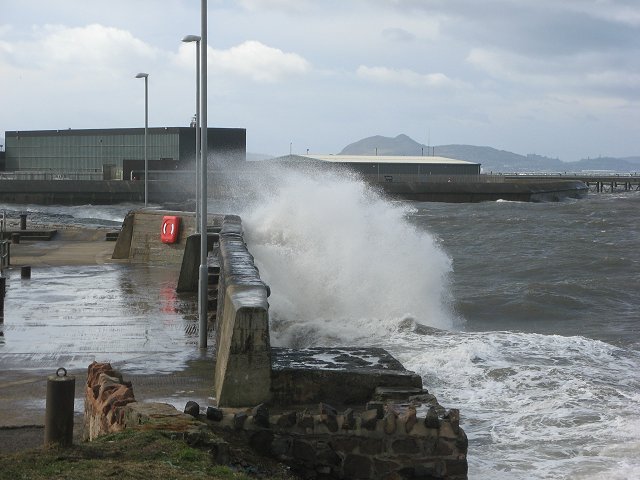
The coastline represents the dynamic frontier where land meets sea, a constantly sculpted zone shaped by the relentless forces of nature. From the majestic stone pillars known as sea stacks to the ever-retreating shorelines, every geographical feature holds a profound geological narrative. This article will embark on a journey to uncover how natural formations like sea stacks come into being, delve into the complex mechanisms driving coastal erosion, and highlight the tangible threats, or coastal hazards, posed by these dynamic changes to global communities, ecosystems, and infrastructure. More than just presenting facts, we will explore the long-term consequences and potential mitigation strategies, inviting you to decipher the hidden messages within each layer of Earth for a future lived in greater harmony with our planet.
Sea stacks are isolated pillars of rock offshore, formed by the continuous process of sea cliff erosion by waves and wind. Coastal hazards encompass a wide range of dangers resulting from coastal dynamics such as erosion, sea level rise, and storms, which have significant impacts on the environment, economy, and human life in coastal regions. Understanding the interconnectedness between sea stacks, the mechanisms of coastal erosion, and the spectrum of coastal hazards is crucial for future adaptation and resilience.
The Majesty of Sea Stacks: Icons of Relentless Coastal Erosion
Sea stacks are dramatic icons of nature's unyielding power, standing as monumental sentinels against the ceaseless assault of the ocean. These geological formations tower from tumultuous waters, serving as silent witnesses to coastal erosion processes that have unfolded over thousands to millions of years. They are not only visually captivating but also provide invaluable insights into coastal geological dynamics and the resilience of rock against the elements. Understanding how these pillars are formed is key to deciphering the overall erosion cycle and the evolution of coastal landscapes.
The Genesis: Cliff, Sea Cave, and Sea Arch Formation
The genesis of a sea stack begins with steep cliffs directly exposed to the powerful forces of ocean waves. Waves relentlessly batter the base of these cliffs, exploiting natural fissures, cracks, and zones of weaker rock. Through abrasion (the grinding action of sediment particles), hydraulic action (the immense pressure of water entering cracks), and chemical weathering, the waves slowly erode the rock, creating sea caves. These caves often form on both sides of a headland or along specific lines of weakness, gradually penetrating deeper until they create a natural archway, known as a sea arch.
Fracture and Collapse: The Birth of a Stone Pillar
As geological time progresses, the relentless erosional processes continue their work. The roof of the sea arch becomes increasingly thinner and more fragile due to erosion from above (by wind, rain, and terrestrial weathering) and from below (by persistent wave action). When the pressure and weakening reach a critical point, the arch's roof collapses. The outer section of the arch, which is typically more resistant to erosion, remains standing, forming the isolated rock pillar we recognize as a sea stack. This process is a continuous natural cycle; the newly formed sea stack itself will eventually succumb to erosion and collapse into a pile of debris, and perhaps, a new cycle will begin elsewhere along the ever-changing coastline, perpetually reshaping our planet's edge.
Geological Factors Determining Sea Stack Shape and Stability
The distinctive shape and imposing size of sea stacks are profoundly influenced by several geological factors. The type of rock, its structural characteristics (such as jointing, fault lines, and bedding planes), and the intensity and direction of prevailing wave action all play critical roles in their formation and longevity. Stratified sedimentary rocks like sandstone and limestone, with their varying resistance to erosion, frequently give rise to spectacular sea stacks. Harder rock layers can form protective 'caps' that shield softer layers beneath, while the softer layers erode more rapidly, creating the unique, often sculpted forms that stand out against the horizon. The dip and strike of rock layers also contribute significantly to erosion patterns and the overall stability of these colossal structures, dictating how water infiltrates and exploits weaknesses within the rock mass over vast stretches of geological time, shaping these magnificent marine landforms.

Complex Mechanisms of Coastal Erosion: Why Our Coastlines Retreat
Coastal erosion is an inevitable geological phenomenon, a constant reshaping of our planet's edges. Yet, its rate can be significantly accelerated by both natural and anthropogenic factors. This process involves the loss of sediment from the shoreline due to the relentless action of waves, currents, wind, and tides. Understanding the underlying mechanisms of coastal erosion is crucial for predicting changes and devising effective mitigation strategies to protect our valuable coastal environments from mounting coastal hazards.
The Role of Waves, Currents, and Tides in Coastal Erosion
Waves are the primary agents of coastal erosion, delivering immense kinetic energy to the shoreline. The breaking action of waves can directly undercut cliffs, remove loose sediment from beaches, and dislodge rock fragments. The force of waves can also compress air into rock fissures, causing hydraulic action that widens cracks and weakens rock structures. Longshore currents, driven by waves approaching the shore at an angle, play a vital role in transporting sand and gravel parallel to the coastline, often moving vast quantities of sediment from one area to another. Rip currents, though often localized, can pull sediment offshore. Tidal fluctuations dictate the extent to which the shoreline is exposed to wave energy, with high tides often accelerating the rate of coastal erosion as waves can reach higher parts of cliffs or sand dunes, thus attacking areas that would normally be above the reach of the daily tide cycle.
The Influence of Extreme Weather and Storms on Shoreline Retreat
Extreme weather events, such as tropical cyclones, hurricanes, and storm surges, have an intensely destructive impact on coastlines, drastically accelerating cliff retreat rates. The powerful winds and colossal waves generated during these storms can erode significant amounts of sediment in a short period, leading to substantial shoreline retreat. Storm surges, which are abnormal rises of water generated by a storm, can inundate low-lying coastal areas, causing widespread flooding and weakening the land, making it more vulnerable to further erosion once the storm recedes. The cumulative effect of multiple severe storms over time can dramatically alter coastal morphology and accelerate long-term erosion rates, posing a persistent threat to coastal stability and exacerbating coastal hazards.
Coastal Material Composition and Its Resistance Levels to Erosion
The type of material that constitutes the coastline profoundly determines its susceptibility to erosion. Sandy and muddy beaches are generally more vulnerable to erosion than rocky shores or hard igneous rock cliffs. The granular nature of sand allows for easy transport by waves and currents, while cohesive mud, though seemingly resistant, can be easily undermined and washed away. Conversely, hard bedrock coasts, composed of granite or basalt, offer much greater resistance, exhibiting slower erosion rates, often measured in millimeters per year. Coastal vegetation, such as mangrove forests, seagrass beds, and dune grasses, also plays a critical role in stabilizing sediments and reducing erosion rates. Their intricate root systems bind the soil, while the above-ground biomass dampens wave energy, providing a natural defense against coastal erosion. The loss of this vital vegetation, often due to human activity, can drastically accelerate erosion processes, increasing vulnerability to coastal hazards.
The Impact of Anthropogenic Activities on Erosion Rates
Human activities frequently exacerbate coastal erosion. Unplanned development on the shoreline that disregards natural coastal dynamics, excessive sand mining from beaches and nearshore areas, and the construction of ill-conceived coastal protection structures (such as seawalls that can inadvertently worsen erosion on adjacent beaches) all contribute to increased erosion rates. Urbanization that leads to the destruction of protective coastal ecosystems like dunes and wetlands further compromises natural defenses. Alterations to sediment supply patterns, such as those caused by damming rivers, can significantly reduce the amount of sand reaching beaches downstream, leaving coastlines starved of vital replenishments and thus far more vulnerable to erosive forces and the ensuing coastal hazards.
Coastal Hazards: The Real Threats from Dynamic Coastal Changes
Coastal hazards encompass a broad spectrum of dangers posed by ever-changing coastal dynamics, ranging from chronic erosion to extreme events like powerful storms. These threats not only damage natural environments but also impose severe consequences on the millions of people who live in and depend on coastal ecosystems worldwide. Understanding these risks is the crucial first step towards building resilience and implementing effective adaptation strategies for the future to mitigate the impacts of coastal erosion.
Infrastructure Damage and Settlement Vulnerability
Coastal erosion and severe storms directly threaten vital infrastructure such as highways, bridges, ports, and energy facilities situated near the shoreline. Coastal settlements, particularly those in low-lying coastal plains, are also highly vulnerable to damage from tidal flooding, coastal inundation, saltwater intrusion into freshwater sources, and the collapse of buildings due to undermined foundations. The economic losses resulting from such damages can amount to billions of dollars annually, placing immense burdens on governments and local communities. Roads crumble, essential services are disrupted, and entire communities face displacement, illustrating the profound societal impact of unchecked coastal hazards.
Degradation of Coastal Ecosystems: Mangroves and Coral Reefs
Coastal ecosystems like mangrove forests, seagrass beds, and coral reefs act as natural bulwarks, protecting shorelines from coastal erosion and storm surges. However, they are themselves highly susceptible to the impacts of coastal hazards. Erosion can destroy mangrove habitats, while rising sea levels and changes in ocean temperature threaten the survival of coral reefs through bleaching and acidification. The loss of these critical ecosystems not only diminishes biodiversity but also removes the natural protection they offer to coastal communities, leading to a cascade of negative effects on both environmental health and human well-being, compounding the challenges of coastal erosion.
“Coastal regions are home to more than a third of the world's population and underpin the global economy. The threats from coastal hazards are not a future problem, but an ongoing crisis that demands immediate and globally coordinated action to protect our vital communities and ecosystems.”
United Nations - Sustainable Development Goals
Loss of Productive Land and Resources Due to Coastal Erosion
Coastal erosion can lead to the loss of fertile agricultural land near the coast, reducing food production capacity and impacting local economies. Saltwater intrusion into freshwater aquifers also poses a significant threat to drinking water supplies and irrigation for agriculture, exacerbating water scarcity issues in many regions. Furthermore, the degradation of coastal ecosystems can diminish fish stocks and other marine resources, directly impacting the livelihoods of fishing communities and the broader fisheries industry, leading to food insecurity and economic hardship for those who depend on these resources, further highlighting the widespread impact of coastal hazards.
In a small village on the northern coast of Java, Mrs. Siti has witnessed the shoreline retreat by more than 50 meters in the past two decades. Her childhood home, once dozens of meters from the sea, is now only a few steps away. Every storm season, Mrs. Siti and her neighbors must work together to build temporary sandbag barriers, struggling to protect their homes from the encroaching waves. Some neighbors have already given up, relocating their homes to higher ground, leaving behind bitter memories of houses swallowed by the sea. Their story mirrors the struggle of thousands of coastal communities worldwide who continuously adapt to the harsh reality of coastal erosion, a testament to humanity's resilience in the face of nature's relentless reshaping and the pressing reality of coastal hazards.
Global Climate Change: Accelerating Coastal Erosion and Hazards
Global climate change is not merely a hypothetical threat; it is a primary driver accelerating the rate of coastal erosion and increasing the frequency and intensity of coastal hazards. The complex mechanisms of climate change interact profoundly with coastal dynamics, creating unprecedented challenges for coastal regions across the globe. Understanding this intricate interplay is essential for developing courageous and visionary adaptation strategies that can safeguard our coastlines for future generations from escalating coastal erosion.
Sea Level Rise and Saltwater Intrusion: Amplifying Coastal Erosion
Global warming leads to the melting of polar ice sheets and glaciers, as well as the thermal expansion of ocean water, resulting in an observable rise in global sea levels. This rise directly increases the risk of tidal flooding, coastal inundation, and saltwater intrusion into freshwater resources, contaminating groundwater and rendering it unusable for drinking or agriculture. Furthermore, higher sea levels accelerate coastal erosion because waves can reach areas of the coast that were previously protected or beyond their daily reach, allowing them to exert their erosive force on new territories and higher elevations of the shoreline. Low-lying coastal areas and small island nations are particularly vulnerable to these profound and pervasive impacts, facing existential threats from the encroaching ocean and amplified coastal hazards.
Increased Storm Intensity and Extreme Waves: Accelerating Coastal Erosion
Scientists predict that climate change will lead to an increase in the intensity and, in many regions, the frequency of tropical storms and other severe weather events. More powerful storms generate stronger winds, higher rainfall, and significantly larger storm surges and waves, all of which contribute to massive coastal erosion and severe infrastructure damage. The heightened energy of these extreme waves can accelerate the formation and eventual collapse of sea stacks, transforming these ancient sentinels of the coast more rapidly than in previous eras. The sheer force exerted by these extreme events can reshape coastlines dramatically overnight, undoing years of natural accretion and human protective efforts, leaving behind a trail of devastation and escalating coastal hazards.
Shifting Weather and Sediment Patterns: New Challenges for Coastal Resilience
Climate change also affects global precipitation patterns, temperatures, and wind regimes. These shifts can alter the supply of sediment to coastlines (for instance, through rivers carrying either less or more sediment due to changes in watershed hydrology), impact the growth and health of protective coastal vegetation that stabilizes shorelines, and even modify the direction and strength of ocean currents. All these factors collectively complicate efforts to mitigate and adapt to coastal erosion, creating a dynamic and often unpredictable environment for coastal management. Understanding these subtle yet powerful shifts is vital for developing adaptive strategies that can respond to an ever-evolving coastal landscape and combat emergent coastal hazards.
Mitigation and Adaptation Strategies: Maintaining Coastal Balance Against Erosion and Hazards
Addressing the accelerating challenges of coastal erosion and coastal hazards, intensified by climate change, demands a comprehensive and integrated approach. This involves a combination of engineering solutions, nature-based approaches, and adaptive spatial planning to ensure the sustainability and resilience of coastal regions for future generations. The goal is not to stop natural processes entirely, but to manage their impacts and foster a sustainable coexistence with our dynamic planet, especially in the face of ongoing coastal erosion.
Structural Engineering Solutions: Seawalls, Groins, Breakwaters for Coastal Protection
Engineering solutions encompass the construction of hard structures designed to directly resist or redirect coastal forces, offering defense against coastal erosion. These include seawalls, which are built parallel to the shoreline to protect land from direct wave action and tidal surges; groins, which are perpendicular structures extending into the sea to trap sediment and build up beaches; and offshore breakwaters, which are constructed parallel to the coast but offshore to reduce wave energy before it reaches the shore. While effective in the short term and at specific locations, these structures are often expensive to build and maintain, can disrupt local ecosystems, and sometimes transfer erosion problems down-coast, affecting adjacent areas. They represent a human attempt to impose order on a naturally dynamic system, often with unforeseen consequences on overall coastal erosion patterns.
Nature-Based Approaches: Mangrove and Coral Reef Restoration for Resilience
Nature-based solutions leverage the inherent power of ecosystems to protect coastlines from coastal erosion and other coastal hazards. Examples include the restoration of mangrove forests, the planting of seagrass beds, and the rehabilitation of coral reefs. These natural infrastructures not only reduce wave energy and stabilize sediments but also provide crucial habitats for biodiversity and support local livelihoods, such as fishing. They are often more sustainable, cost-effective in the long term, and offer multiple co-benefits, including carbon sequestration and water purification. By working with nature rather than against it, these approaches foster a more harmonious and resilient coastal environment, offering a sustainable path to mitigate the effects of coastal erosion.
Pro Tip: Empowering Coastal Communities Against Erosion
For coastal communities, simple initial steps to mitigate coastal erosion can begin with planting resilient coastal vegetation such as native mangroves or casuarina trees in vulnerable areas. Avoiding construction too close to the dynamic shoreline and actively maintaining the health and cleanliness of nearby coastal ecosystems are also crucial. Active participation in local conservation programs can significantly contribute to long-term coastal resilience, fostering a sense of collective stewardship and offering immediate defenses against coastal hazards.
Spatial Planning and Adaptive Relocation: Strategic Responses to Coastal Hazards
In some cases, the most effective long-term solution may involve avoiding development in high-risk areas or even adaptively relocating infrastructure and settlements from highly vulnerable shorelines. Intelligent coastal spatial planning, which includes establishing protective buffer zones, restricting development in erosion-prone areas, and developing humane and equitable relocation strategies, is becoming increasingly vital in the face of accelerating climate change and severe coastal erosion. This forward-thinking approach acknowledges the limitations of hard engineering and prioritizes the safety and sustainability of communities by allowing nature to reclaim its space where necessary, thus minimizing the impact of coastal hazards.
Studies show that investments in nature-based solutions for coastal protection can yield significant returns, potentially generating four times the savings in damages compared to taking no action. Specifically, every $1 invested in adaptation, on average, can result in $4 in avoided losses. World Resources Institute (WRI) A sea arch is a rock formation featuring a natural opening or archway carved out by wave erosion through a headland or cliff. A sea stack, conversely, is an isolated pillar of rock that stands apart from the mainland, typically formed after the roof of a sea arch collapses, leaving behind the upright, resistant column of rock, a clear testament to continuous coastal erosion processes. Yes, the vast majority of coastlines worldwide are susceptible to coastal erosion at varying rates. Factors such as the type of rock or sediment composing the coast, its exposure to waves and storms, as well as human activities and climate change, collectively determine how quickly and severely erosion occurs. Even seemingly stable rocky coasts experience erosion, albeit at a much slower pace, contributing to the broader scope of coastal hazards. Completely stopping coastal erosion is largely impossible, as it is a fundamental and natural geological process. However, humans can significantly slow down the rate of erosion, protect critical areas, and adapt to its impacts through a combination of diverse mitigation and adaptation strategies, encompassing both structural engineering solutions and nature-based approaches. The goal is often to manage rather than eliminate the process, aiming for sustainable coastal resilience against coastal hazards. Coastal vegetation, such as mangroves, seagrasses, and dune grasses, plays a crucial role in coastal erosion mitigation. Their extensive root systems bind sediments and soil, reducing the abrasive impact of waves and currents. Above-ground foliage acts as a natural barrier, dampening wave energy and reducing wave height and force, thereby slowing the rate of erosion and providing vital protection to the shoreline and inland areas from various coastal hazards. These natural defenses are often more sustainable and ecologically beneficial than artificial structures. The magnificent narrative of sea stacks, the relentless mechanisms of coastal erosion, and the broad spectrum of coastal hazards form a geological epic that reminds us of nature's immense power and the inherent fragility of human existence on the frontline of planetary change. With a profound understanding of these processes and the accelerating impact of climate change, we are equipped to design a more adaptive future. Through a combination of innovative engineering, the profound wisdom of natural solutions, and strategic planning, we can strive to live in harmony with Earth's dynamics, transforming threats into opportunities for resilience and sustainability for global coastal communities. The silent stories etched in stone and sand compel us to listen, learn, and act with foresight and respect for the planet that shapes us all.Comparison of Coastal Mitigation Solutions for Erosion and Hazards
Feature Structural Solutions (e.g., Seawall, Groin) Nature-Based Solutions (e.g., Mangrove Restoration) Description Hard, man-made barriers or structures designed to directly block or redirect wave energy and trap sediment to combat coastal erosion. Examples include concrete seawalls, rock revetments, gabions, and rock or timber groins. Leverages natural ecosystems to provide coastal protection and other ecological benefits against coastal hazards. Examples include planting mangroves, restoring coral reefs, creating living shorelines, and dune restoration. Primary Mechanism Physical obstruction, reflection of wave energy, sediment trapping. Wave attenuation, sediment stabilization through root systems, habitat creation. Cost High initial construction and ongoing maintenance costs. Often lower initial costs, potentially higher long-term cost-effectiveness, with ecological co-benefits. Environmental Impact Can be high: habitat loss, erosion down-coast, aesthetic impact, disruption of natural sediment transport. Low to positive: habitat creation, improved water quality, biodiversity enhancement. Effectiveness (Short-term) Generally effective in providing immediate, localized protection against direct wave attack. Can take time to establish and become fully effective, but offer immediate benefits in wave dampening. Effectiveness (Long-term) Requires regular maintenance and may fail under extreme events; can exacerbate erosion elsewhere. May become obsolete with extreme sea level rise and intensified coastal erosion. Highly adaptable to changing conditions (e.g., sea level rise if adequately managed), provides self-sustaining protection, increases resilience over time against coastal hazards. Additional Benefits Limited beyond protection; can increase property value in protected area. Enhanced biodiversity, improved fisheries, carbon sequestration, tourism, cultural value, water filtration, climate regulation. Flexibility/Adaptability Low; rigid structures are not easily modified or moved. High; can grow and adapt to some changes in environmental conditions. Key Takeaways: Understanding Coastal Dynamics, Erosion, and Hazards
Frequently Asked Questions About Coastal Erosion, Sea Stacks, and Coastal Hazards
What is the main difference between a sea arch and a sea stack?
Are all coastlines at risk of coastal erosion?
Can humans completely stop coastal erosion?
What role does coastal vegetation play in erosion mitigation?