coastal spits, storm surge, coastal defense: The Complete Handbook

The coastal zones of our planet are dynamic interfaces, perpetually sculpted by the intricate dance of natural forces and human endeavors. As climate change accelerates, amplifying the intensity and frequency of severe storms, a profound understanding of natural formations like coastal spits, formidable hydrological threats such as storm surge, and adaptive strategies for robust coastal defense becomes not merely academic, but critically urgent. As The Earth Shaper, I invite you on a journey to explore how these elemental forces and geological features intertwine, revealing the dual role of natural formations as both invaluable protectors and potential vulnerabilities. This comprehensive guide will dissect the mechanisms of these interactions, offering an in-depth exploration of adaptive and sustainable coastal defense solutions designed to shield communities and fragile ecosystems on the front lines of an evolving climate.
Coastal spits are elongated landforms of sand or gravel, extending from the mainland into the sea, often serving as significant natural barriers against the destructive power of a storm surge. They play a crucial role in absorbing wave energy and limiting the inland penetration of storm waters, a vital function in our defense against the sea. However, these dynamic landforms are inherently vulnerable to extreme erosion during major storms, highlighting their delicate balance. Therefore, effective coastal defense strategies must integrate a deep understanding of these spit dynamics, combining hard engineering solutions, nature-based coastal defense, and adaptive management approaches. This integrated perspective is vital for long-term storm surge mitigation, especially in an era defined by accelerating climate change and pressing sea level rise adaptation challenges.
Understanding Coastal Dynamics: Coastal Spits as the Front Line of Defense
What are Coastal Spits and How Do They Form?
Coastal spits, often referred to as sand or gravel spits, are fascinating geomorphological formations that embody the relentless work of the ocean. These dynamic landforms emerge primarily from the process of longshore drift, where waves approaching the shore at an angle transport sediment – sand, gravel, and pebbles – along the coastline. When this sediment-laden current encounters a significant change in the coastline's orientation, such as the mouth of a bay, an estuary, or a sudden bend, the current's energy dissipates. This reduction in velocity causes the transported sediment to be deposited, gradually building up an elongated ridge that extends outwards from the land into the open water. Over time, and with continuous sediment supply, these formations can stretch for many kilometers, their shapes constantly evolving with the prevailing winds, waves, and tides. It's truly a testament to nature's sculpting power.
The formation of a coastal spit is a continuous, dynamic process. Sediment is constantly being supplied, eroded, and redeposited. This delicate balance means spits are not static features but living geological entities, their very existence a testament to the power and persistence of coastal processes. Understanding this cycle of sand spit formation and its evolutionary dynamics is paramount for any effective integrated coastal zone management (ICZM). It allows us to read the messages hidden within Earth’s geology to inform our protection strategies, particularly when planning for coastal defense.
Ecological and Geomorphological Functions of Coastal Spits
Beyond their geological intrigue, coastal spits perform invaluable ecological and geomorphological functions. Ecologically, they act as natural breakwaters, creating sheltered, calmer water environments on their landward side. These protected areas often develop into rich lagoons, estuaries, and salt marshes, which are critical habitats for a diverse array of coastal flora and fauna. These tranquil waters provide vital nurseries for juvenile fish, feeding grounds for migratory birds, and sanctuary for numerous invertebrates, thus supporting a vibrant tapestry of biodiversity and providing essential ecosystem services coastal regions rely on. Think of them as nature's own sanctuaries.
Geomorphologically, spits serve as crucial natural buffers, effectively absorbing the immense energy of incoming waves and dissipating their destructive force before they reach the mainland. This protective action significantly reduces coastal erosion on the primary coastline. Furthermore, spits play a pivotal role in maintaining the local sediment budget, influencing current patterns and the broader dynamics of the surrounding beach systems. Their dual function as both a landform and a living ecosystem makes coastal spits an irreplaceable asset in the grand scheme of coastal resilience and defense, a natural masterpiece demonstrating nature's inherent wisdom in self-protection against threats like storm surge.
Vulnerability or Natural Defense? The Paradox of Coastal Spits
Coastal spits are frequently hailed as the first line of natural defense against the onslaught of storms and high waves. Their capacity to absorb wave energy can drastically diminish the impacts of erosion and flooding on the land lying behind them. However, it is precisely this exposure to the full force of the ocean that makes spits inherently vulnerable. They are relatively fragile structures, susceptible to significant erosion, breaching (where the spit is cut through by water), or even complete disappearance in the face of extreme storm events. The same powerful waves and storm surge that they protect against can also dismantle them. This inherent dynamic – the powerful protection they offer juxtaposed with their intrinsic vulnerability – underscores the complexity of relying solely on spits as a singular coastal erosion solution. It necessitates a far more integrated and adaptive approach to coastal defense, one that respects their dynamic nature rather than attempts to rigidly control them. How can we best work with these paradoxical protectors?

The Storm Threat: Mechanisms and Destructive Impacts of Storm Surge
Anatomy of a Storm Surge: Triggering Factors and Devastation
A storm surge is a terrifying phenomenon, representing an abnormal rise in sea level far exceeding the predicted astronomical tide. This wall of water is primarily triggered by intense weather systems such as tropical cyclones, hurricanes, or powerful extratropical storms. Its main mechanisms involve two critical factors: the extremely low atmospheric pressure at the center of the storm, which acts like a suction cup, drawing the water level upwards, and more significantly, the powerful, sustained winds that literally push a massive volume of seawater towards the coastline. Imagine a giant broom sweeping the ocean towards land, and you begin to grasp the scale of this destructive force.
The severity of a storm surge is also heavily influenced by local bathymetry (water depth) and the configuration of the coastline. Shallow coastal waters with gently sloping seabed, combined with a concave or funnel-shaped coastline, can dramatically amplify the surge effect. As the approaching wall of water encounters shallower depths, it has nowhere to go but up and inland, creating a devastating surge that can inundate vast areas far beyond the normal reach of the tide. This understanding of the surge's anatomy is fundamental to accurate prediction and effective storm surge mitigation, crucial for any robust coastal defense planning.
Risks of Coastal Flooding and Land Erosion from Storm Surge
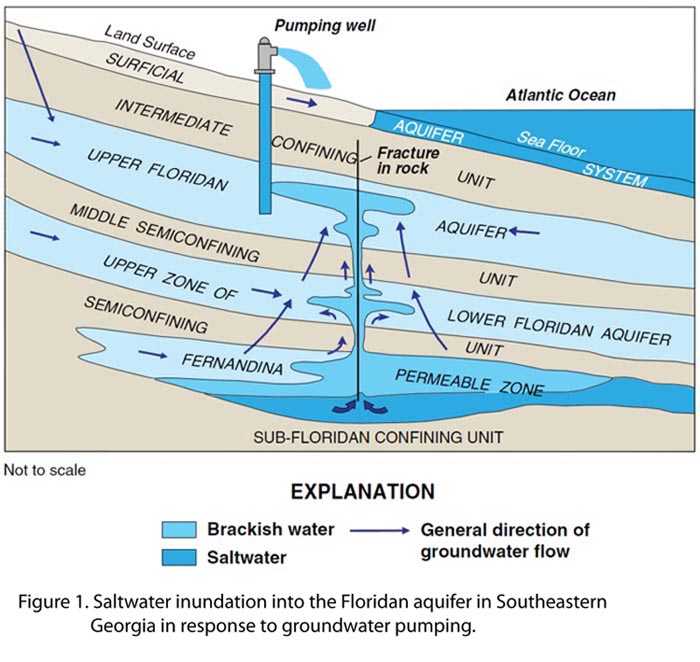
The consequences of a storm surge on coastal regions are devastating and far-reaching. The resultant coastal flooding can submerge human settlements, cripple critical infrastructure (roads, bridges, power grids), destroy agricultural lands, and inundate industrial zones. The intrusion of saltwater into freshwater aquifers and arable land can contaminate vital resources, rendering them unusable for prolonged periods and severely disrupting local ecosystems and livelihoods. This salinization can have long-term impacts on biodiversity and agricultural productivity. It's not just immediate damage; it's a profound, lasting alteration.
Furthermore, the high-energy waves that often accompany a storm surge inflict severe coastal erosion. They relentlessly batter beaches, dunes, cliffs, and other landforms, drastically altering the coastline and threatening the very existence of coastal properties and natural habitats. The combined force of elevated water levels and powerful waves creates an unprecedented challenge for coastal communities. These risks are not static; they are exacerbated significantly by ongoing global sea level rise adaptation challenges. Every centimeter of sea level rise means that future surges start from a higher baseline, increasing their reach and destructive potential, making effective coastal defense even more critical.
Interaction of Storm Surge with Coastal Spit Topography
The interaction between a powerful storm surge and the unique topography of coastal spits is a complex and dynamic dance of nature. In many scenarios, spits perform their protective role admirably, acting as the first line of defense. They absorb a substantial portion of the incoming wave energy, thereby reducing the height and destructive power of the surge reaching the mainland behind them. Their elongated form and elevation can serve as a temporary barrier, buying crucial time and reducing immediate impacts. This is where their natural coastal defense capabilities truly shine.
However, there's a critical threshold. If the storm surge intensity is exceptionally high, or if the spit's integrity is compromised by previous erosion, these natural barriers can be "overtopped" and "breached." Overtopping occurs when the water flows over the spit, while breaching involves a complete physical breakthrough, creating new channels. Once breached, the storm water can rush inland with devastating force, potentially creating new inlets and altering the coastal geography permanently. The very presence of a spit can also influence surge flow patterns, potentially funneling water into specific, unprotected areas. Therefore, sophisticated hydrological and geomorphological modeling of these interactions is indispensable for accurate defense planning and effective coastal flooding prevention, allowing us to anticipate nature's powerful response and strengthen our coastal defense strategies.
Coastal Defense Strategies: Protecting Coastlines from Storm Threats
Hard Engineering Defenses: Seawalls and Embankments for Coastal Defense
For centuries, humanity's initial response to the encroaching sea has often been a display of brute force – the construction of robust physical structures designed to resist the ocean's power. This 'hard engineering coastal protection' approach involves building massive, rigid structures like seawalls, which are formidable barriers designed to directly block waves and storm water. Other common examples include levees (embankments), breakwaters (offshore structures that dissipate wave energy before it reaches the shore), and groynes (structures built perpendicular to the shore to trap sand and prevent coastal erosion). These structures are often engineered from concrete, rock, or steel, aiming to provide immediate, localized coastal defense for valuable assets and vulnerable populations. They promise control, but at what cost?
While often effective in delivering short-term, localized protection against storm surge, hard engineering methods come with significant drawbacks. They are typically extremely expensive to build and maintain. More importantly, their ecological footprint can be profound. They can disrupt natural sediment migration patterns, starving adjacent beaches of sand and often accelerating erosion in unprotected areas down-current – a phenomenon known as the 'terminal groyne syndrome.' Seawalls, in particular, can create a 'trap effect,' where the reflection of waves off the structure gradually removes the beach in front of it, eventually leading to a complete loss of the natural buffer. As The Earth Shaper, I observe that while these structures project an image of control, they often create an imbalance in the natural equilibrium of the coastline, necessitating a more thoughtful approach to coastal defense.
Soft Engineering Defenses: Restoration and Vegetation for Coastal Protection
In stark contrast to the rigidity of hard engineering, 'soft engineering' approaches embrace and enhance natural processes and ecosystems for coastal defense. This paradigm shift acknowledges the wisdom inherent in natural systems. It encompasses the restoration of vital coastal ecosystems such as mangrove forests, which serve as natural wave attenuators; seagrass beds, which stabilize sediments; coral reefs, which break wave energy; and crucially, dune restoration projects, which rebuild natural sand barriers. Other techniques include beach nourishment, where sand is dredged from offshore and added to eroded beaches to widen them and increase their natural protective capacity against storm surge.
These nature-based solutions (NBS) not only provide effective protection against erosion and storm surge by absorbing wave energy, but they also deliver a multitude of additional ecological benefits. They foster increased biodiversity, improve water quality by filtering pollutants, and contribute to carbon sequestration, making them a far more sustainable and ecologically harmonious choice in the long run. By working with nature, rather than against it, soft engineering offers a path to genuine coastal resilience and a more integrated coastal defense strategy.
Managed Retreat and Buffer Zones for Long-Term Coastal Defense
Managed retreat is an adaptive strategy that represents a significant shift in thinking – a recognition that in certain highly vulnerable locations, permanent defense is simply no longer economically, ecologically, or technically viable. It involves the strategic and planned relocation of infrastructure and communities from areas at extreme risk to safer locations further inland. This process often entails creating wide, natural buffer zones in the vacated areas, allowing natural coastal processes to resume and providing a space for the sea to expand without impacting human assets. These buffer zones can then be enhanced with dune restoration or other living shorelines techniques to further augment their protective capacity against future storm surge and erosion, forming a dynamic type of coastal defense.
While often challenging to implement due to social, emotional, and political complexities, managed retreat can be the most sustainable and cost-effective long-term solution for confronting accelerating sea level rise adaptation and increasingly intense storms. Its successful application demands meticulous spatial planning, robust community engagement, and strong policy support to ensure equitable and well-managed transitions. As The Earth Shaper, I see managed retreat not as a surrender, but as an intelligent adaptation, a way of listening to the Earth's long-term geological message about where human settlements can thrive sustainably, forming a new kind of coastal defense.
Story: Lessons from the Storm on Coastal Defense In October 2012, Hurricane Sandy unleashed its fury upon the East Coast of the United States, inflicting billions of dollars in damage and widespread infrastructural devastation. Yet, amid the widespread destruction, a compelling narrative emerged regarding coastal defense. In various parts of New Jersey and New York, communities that had invested in or were naturally protected by resilient sand dunes or recent beach nourishment projects experienced significantly less damage compared to areas that either relied solely on rigid seawalls or possessed no natural defenses whatsoever. For instance, sections of the Jersey Shore where dunes were intact or recently fortified often prevented catastrophic inundation from the storm surge. In contrast, urban areas with extensive seawalls sometimes witnessed the overtopping of these barriers, leading to severe inland flooding once their capacity was exceeded. This stark contrast unequivocally demonstrated that nature-based coastal defense, even those seemingly "soft" like reinforced dunes, can dramatically mitigate the impact of storm surge. It highlighted that an over-reliance on impermeable, hard structures can lead to catastrophic failures when those structures are breached or overwhelmed, leaving communities vulnerable to the very forces they sought to repel. This was a critical lesson in effective coastal defense. Effective coastal protection in the future will depend heavily on an intelligent combination of engineered techniques and nature-based solutions, rather than relying solely on one or the other. This integration is crucial for building adaptive coastal resilience. Nature-Based Solutions (NBS) represent a transformative paradigm in coastal defense, fundamentally shifting focus from singular, often rigid, hard engineering to an approach that leverages and enhances the inherent functions of natural ecosystems. NBS such as expansive mangrove forests, vibrant coral reefs, resilient dune restoration, and sprawling salt marshes are not merely aesthetic additions; they act as robust 'green infrastructure.' They effectively dampen wave energy, stabilize sediments, prevent erosion, and reduce the impact of storm surge. Beyond their primary defense role, NBS provide a wealth of co-benefits, including crucial habitats for diverse wildlife, support for healthy fisheries, improved water quality through natural filtration, and significant potential for carbon sequestration, directly addressing climate change impacts. This holistic approach is the essence of true coastal resilience. Integrating NBS into comprehensive coastal defense planning is paramount for achieving holistic and sustainable coastal resilience in an era of climate change. Unlike rigid human-made structures, natural ecosystems possess an inherent flexibility and adaptability, allowing them to grow, self-repair, and evolve in response to changing environmental conditions, offering a truly long-term solution to protecting our coastlines from phenomena like storm surge. In the face of complex and escalating coastal threats, effective decision-making in coastal defense hinges on the availability of accurate data and sophisticated modeling. Geospatial information systems (GIS), high-resolution satellite imagery, and real-time sensor networks provide invaluable, up-to-the-minute information on coastal dynamics, shoreline changes, sediment transport, and weather predictions. Advanced hydrodynamic models and intricate climate models can simulate future storm surge scenarios, projecting their potential reach and impact under various conditions, including accelerated sea level rise. These tools empower planners to pinpoint the most vulnerable areas, evaluate the efficacy of diverse coastal defense options, and forecast the long-term performance of proposed interventions. By harnessing these powerful technologies, governments, coastal managers, and local communities can collaboratively design proactive, evidence-based strategies. This approach optimizes investments, minimizes unnecessary risks and potential losses from future coastal disasters, and allows us to decipher Earth's complex geological messages with greater clarity and precision, guiding our path to stronger coastal defense. For coastal regions, climate change adaptation is no longer a discretionary choice but an urgent imperative. Robust and integrated policies are essential to manage the escalating long-term risks posed by rising sea levels, intensifying storms, and shifting climatic patterns. Such policies must encompass the development of adaptive coastal spatial planning, meticulously crafted zoning regulations that account for future flood risks, and incentives for climate-resilient development practices. They also necessitate robust legal frameworks that support planned relocation or the proactive protection and restoration of critical ecosystems. These policies must be highly responsive to the latest scientific advancements, flexible enough to contend with future uncertainties, and, critically, fair and equitable in their distribution of benefits and burdens across all segments of coastal society. As The Earth Shaper, I see this as humanity consciously evolving its relationship with the planet, learning to adapt rather than dominate, thereby strengthening our overall coastal defense. Building truly sustainable coastal resilience is a monumental, collective endeavor that demands the active participation and collaboration of a diverse array of stakeholders. This includes all levels of government (national, regional, and local), local communities, indigenous peoples, scientific experts, non-governmental organizations, and the private sector. Each stakeholder brings unique perspectives, invaluable resources, and specialized expertise to the table. Through open dialogue, inclusive participatory planning processes, and a clear division of responsibilities, more innovative, socially acceptable, and environmentally sustainable solutions can be formulated and effectively implemented. Without this crucial cross-sectoral cooperation, efforts in coastal defense risk becoming fragmented, inefficient, and ultimately, ineffective, underscoring the universal truth that resilience is a shared responsibility, especially when facing threats like storm surge. Pro Tip for Coastal Defense: Sustainable coastal defense necessitates active engagement from all stakeholders. Initiate early dialogues with local communities, scientific researchers, and regional governments to collaboratively design responsive, long-term solutions that holistically consider ecological, economic, and social needs. True resilience is built on collaboration. In certain progressive coastal regions, coastal spits have been recognized not just as vulnerable features, but as integral, dynamic elements within coastal defense strategies, actively managed and even enhanced. A prime example is found in the Netherlands, a nation acutely aware of its vulnerability to the sea. Here, innovative sediment management and large-scale beach nourishment projects, such as the "Sand Motor" (or Sand Engine), are designed to reinforce and sustainably grow natural formations, including spits. This pioneering approach works with the natural ability of spits to grow and migrate, integrating their dynamic behavior into long-term planning for protection against storm surge and erosion, rather than attempting to contain them with rigid structures. This showcases the immense potential of 'working with nature' as our ally, allowing natural geological processes to contribute to our resilience and smart coastal defense. Across the globe, numerous countries have invested heavily in groundbreaking storm surge mitigation projects. The Delta Works in the Netherlands stands as a monumental testament to hard engineering, a complex system of dams, sluices, and storm surge barriers that has successfully protected a significant portion of the Dutch coastline from devastating North Sea floods. However, more recent initiatives illustrate a broader, more integrated approach to coastal defense. For instance, extensive mangrove restoration efforts in nations like Vietnam and Bangladesh have proven remarkably effective in significantly reducing storm wave heights and shielding inland communities, demonstrating the profound protective power of living shorelines. Simultaneously, in the United States, projects such as the 'Living Breakwaters' in New York combine soft engineering principles with strategically placed artificial structures to simultaneously create marine habitats and reduce storm surge risks, embodying a critical shift towards multi-functional, adaptive coastal defense solutions. Every major coastal disaster, from the devastating 2004 Aceh Tsunami to Hurricane Katrina in 2005, serves as a sobering and invaluable lesson on our collective vulnerabilities and the paramount importance of effective, adaptive planning for coastal defense. These catastrophes frequently expose the fatal flaws in single-strategy defenses, highlight critical deficiencies in inter-agency coordination, or underscore humanity's oversight of the vital protective roles played by natural ecosystems. A crucial takeaway resonates with the wisdom of The Earth Shaper: coastal defense must be dynamic, adaptive, and integrated. It demands a holistic blend of rigorous scientific understanding, robust community engagement, and enlightened, proactive policy. The principle of 'build back better' extends far beyond merely constructing stronger physical structures; it encompasses cultivating healthier ecosystems and fostering more resilient communities, capable of living in a sustainable coexistence with the dynamic forces of the coastline. These lessons are etched into the very landscapes altered by such events, guiding our approach to storm surge and erosion. According to the National Oceanic and Atmospheric Administration (NOAA), the economic losses in the United States alone from severe storms and coastal flooding have averaged $10 billion per year since 1980. Projections indicate that this figure could rise dramatically in the coming decades due to ongoing climate change and sea level rise, making proactive coastal defense indispensable. Not always. While coastal spits frequently function as significant natural barriers, effectively absorbing wave energy and mitigating storm surge, they are inherently dynamic formations. This means they are highly susceptible to extreme erosion, overtopping, or even breaching during severe storm events. Sole reliance on spits as the only form of coastal defense can be precarious. Careful, adaptive management is crucial to fully understand their dual nature as both protective features and potential vulnerabilities, and to integrate them wisely into a broader coastal defense strategy. Climate change profoundly exacerbates both aspects. Global sea level rise provides a higher baseline for storm surges, thereby increasing their height, inland penetration, and destructive reach. Concurrently, more intense and frequent storms, a projected consequence of climate change, can inflict more severe erosion on coastal spits. This increased erosive force can potentially destroy or breach spits, significantly diminishing their natural protective capabilities. This intricate interaction creates urgent and complex sea level rise adaptation challenges for coastal communities worldwide, making thoughtful coastal defense planning essential. There isn't a single "most effective" type of coastal defense that universally applies to all situations. The optimal approach is typically an integrated coastal zone management (ICZM) strategy that judiciously combines elements of hard engineering (when absolutely necessary and appropriate), comprehensive nature-based solutions (such as mangrove restoration, dune restoration, or living shorelines), and adaptive management strategies like managed retreat. Effectiveness is highly dependent on the specific geographical, ecological, social, and economic conditions of a given location, along with considering long-term climate change projections and coastal resilience goals. It's about finding the right blend for your unique coastal challenge against storm surge. Technically, it is possible to engineer or significantly reinforce formations that mimic natural spits through massive beach nourishment projects, such as the innovative 'Sand Engine' in the Netherlands. However, these are exceptionally complex, capital-intensive, and require a deep, nuanced understanding of local sediment dynamics and hydrodynamics. A more common and often more sustainable focus is on the careful management and enhancement of existing coastal spits, or the creation of similar natural protective landforms through broader dune restoration and ecosystem restoration efforts, as part of a comprehensive nature-based coastal defense strategy against storm surge and erosion. The intricate interplay between coastal spits, the formidable power of storm surge, and the evolving strategies of coastal defense represents one of the most profound environmental challenges of the 21st century. Managing risks along our dynamic coastlines in an era of accelerating climate change demands more than just resilient human-made structures; it necessitates a deep, almost ancient, understanding of nature's dynamics, coupled with innovative technological applications and an unwavering commitment to sustainable, long-term solutions. As The Earth Shaper, I believe the future of coastal protection lies not in a battle against nature, but in a profound symphony with it. By embracing an integrated approach that intelligently blends engineering prowess with the inherent strength of natural ecosystems – informed by robust data, guided by adaptive policies, and powered by genuine multi-stakeholder collaboration – we can sculpt a more resilient and enduring coastal future. This is an investment not merely in safeguarding infrastructure, but in preserving our natural heritage and ensuring the vibrant life of coastal communities for generations to come. It is about reading the messages hidden in Earth's geology, understanding its rhythms, and designing our future in harmony with its timeless wisdom, thereby enhancing our coastal defense capabilities against storm surge and other threats.Integrated and Sustainable Approaches: The Future of Coastal Defense
Nature-Based Solutions (NBS) for Resilient Coastal Defense
Role of Data and Modeling in Coastal Defense Decision Making
Climate Change Adaptation Policies in Coastal Regions for Effective Coastal Defense
Multi-Stakeholder Collaboration for Comprehensive Coastal Resilience and Defense
Case Studies: Innovative Global Coastal Protection and Coastal Defense
Examples of Coastal Spits Utilized in Defense Strategies
Leading Storm Surge Mitigation Projects and Coastal Defense Efforts
Project/Location Primary Method Key Success/Benefit The Sand Motor (The Netherlands) Large-scale Beach Nourishment (Mega-Nourishment) & Dynamic Management Creates a dynamic, self-distributing sediment supply that naturally reinforces coastal spits and dunes, providing flexible, long-term defense against sea level rise and erosion. Delta Works (The Netherlands) Hard Engineering (Dams, Sluices, Storm Surge Barriers) Massive flood protection for a significant portion of the country; prevents catastrophic storm surges from the North Sea as a powerful coastal defense. Mangrove Restoration (Vietnam & Bangladesh) Nature-Based Solutions (Restoration of Mangrove Forests) Highly effective in reducing wave energy and storm surge height, protecting inland communities and fostering biodiversity, while offering ecosystem services coastal communities rely on. Living Breakwaters (New York, USA) Hybrid (Reef-like Structures & Living Shorelines) Reduces wave energy, creates marine habitats, improves water quality, and provides social benefits by enhancing coastal recreation, a multi-faceted coastal defense. Lessons from Coastal Disasters: Informing Future Coastal Defense
Key Takeaways for Coastal Resilience and Defense
Frequently Asked Questions About Coastal Spits, Storm Surge, and Coastal Defense
Are coastal spits always beneficial for coastal defense?
How does climate change affect coastal spits and storm surge?
What is the most effective type of coastal defense?
Can communities build or engineer new coastal spits for defense?